Information on this site is advertising in nature

Our Story

Two decades of dedication to preserving Britain's architectural heritage through expertise, integrity, and craftsmanship.

Founded on Principle

True-hawk was established in 2003 by conservation architect James Thornbury, following his involvement in the restoration of several significant Grade I listed buildings in the Cotswolds. Frustrated by approaches that prioritised speed over sensitivity, he founded a practice committed to thoughtful, historically-informed conservation.

What began as a small consultancy in a converted stable block has grown into a respected team of specialists serving clients throughout England, Scotland, and Wales. Despite our growth, we remain true to our founding principles: every historic building deserves individual attention, thorough research, and solutions that honour its unique character.

Our work has earned recognition from Historic England, the Georgian Group, and the Victorian Society. More importantly, it has earned the trust of property owners who understand that heritage conservation requires patience, expertise, and genuine care for the built environment.

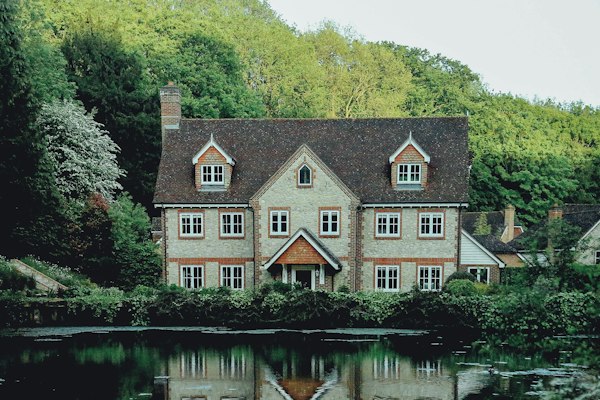
Georgian townhouse facade with period features
Architectural detail showing traditional craftsmanship

Our Values

The principles that guide every project we undertake and every relationship we build.

Historical Integrity

We approach every building as a document of the past, striving to preserve authentic fabric and respect the intentions of original craftspeople whilst addressing contemporary needs.

Technical Excellence

Conservation requires mastery of both traditional techniques and modern methodologies. Our team maintains rigorous professional standards and pursues continuous learning.

Collaborative Spirit

Heritage projects succeed through partnership. We work closely with owners, planners, craftspeople, and statutory bodies to achieve outcomes that satisfy all stakeholders.

Transparent Communication

We believe in honest, clear dialogue about possibilities, limitations, costs, and timescales. No surprises, no jargon, just straightforward professional guidance.

Sustainable Practice

Historic buildings embody significant embedded carbon and cultural value. Thoughtful conservation is inherently sustainable, extending the useful life of irreplaceable structures.

Long-term Thinking

Quick fixes rarely serve heritage buildings well. We plan for decades, not months, recommending interventions that will perform reliably far into the future.

Our Expertise

Collectively, our team brings experience across the full spectrum of heritage building types and conservation challenges.

Building Types

Our portfolio encompasses Georgian and Regency townhouses, Victorian civic buildings, medieval churches, Tudor manor houses, industrial heritage structures, and twentieth-century buildings of architectural significance.

Technical Specialisms

We hold particular expertise in lime mortars and renders, traditional joinery conservation, historic roof structures, decorative plasterwork, architectural metalwork, and the sensitive integration of modern building services into period interiors.

Regulatory Navigation

Our team maintains strong working relationships with local planning authorities and Historic England across multiple regions, supporting efficient progress through complex consent processes.

Professional team discussing architectural plans

Client Perspectives

Discuss Your Heritage Building

Whether you are considering a major restoration or simply need guidance on maintaining a period property, we welcome the opportunity to help.

Contact Our Team

Important Notice

The information provided on this website is intended for general guidance only and should not be considered a substitute for professional architectural or legal advice. Conservation outcomes depend on numerous factors specific to each property. We recommend consulting with qualified specialists before undertaking any works to historic buildings. Individual results may vary based on building condition, planning constraints, and other site-specific considerations.